Green energy projects
Green energy projects are transforming the way electricity is produced and consumed across the world. From vast solar farms in sun-rich regions to offshore wind turbines anchored deep in the ocean, these initiatives turn natural resources into clean, reliable power. For anyone new to the topic, the sheer variety of projects can feel overwhelming: rooftop installations, community cooperatives, hydroelectric dams, geothermal plants and more. This page brings those pieces together, explaining what green energy projects are, how they work, and why they play such a central role in the energy transition.
What Are Green Energy Projects?
A green energy project is any development designed to generate usable energy from renewable, naturally replenishing sources. Unlike conventional power plants that burn coal, oil or gas, these projects harness resources that will not run out: sunlight, wind, flowing water, underground heat and organic matter.
Projects range in scale from a single household installation to multi-billion-dollar infrastructure serving millions of homes. What they share is a common goal: producing energy with a far lower carbon footprint than fossil fuels, while supporting energy independence and long-term price stability.
The Main Types of Green Energy Projects
Each renewable technology has its own strengths, ideal locations and project characteristics. Understanding the main categories makes it easier to see how they complement one another in a balanced energy mix.
Solar Energy Projects
Solar projects capture sunlight using photovoltaic panels, which convert light directly into electricity, or solar thermal systems, which use heat. They include:
- Rooftop installations on homes, schools and businesses, often the most accessible entry point for individuals.
- Utility-scale solar farms covering large areas of land and feeding power directly into the grid.
- Community solar programs, where neighbors share the output of a local array and credit it against their bills.
Solar is currently one of the fastest-growing technologies because costs have fallen dramatically, and installations can be deployed quickly compared with other infrastructure.
Wind Energy Projects
Wind projects use turbines to convert the kinetic energy of moving air into electricity. Onshore wind farms are typically built in open, windy areas such as plains, hills and coastal zones. Offshore wind projects, positioned at sea, benefit from stronger and more consistent winds, although they involve higher construction and maintenance costs.
Modern turbines are far larger than earlier models, with some offshore blades longer than a football field, allowing a single machine to power thousands of homes.
Hydropower Projects
Hydropower is one of the oldest forms of renewable electricity generation. Large dams store water and release it through turbines, while run-of-river systems generate power from natural water flow with minimal storage. Smaller micro-hydro installations can serve remote communities reliably and affordably. While large dams raise environmental questions about ecosystems and displacement, pumped-storage hydropower plays a growing role as a way to store excess renewable energy for later use.
Geothermal Energy Projects
Geothermal projects tap the steady heat beneath the Earth’s surface. In regions with volcanic or tectonic activity, geothermal plants can provide constant, weather-independent electricity. Elsewhere, ground-source heat pumps use shallower underground temperatures to heat and cool buildings efficiently, making them a popular choice for homes and commercial properties.
Biomass and Biogas Projects
Biomass projects convert organic materials such as agricultural residues, wood waste or dedicated crops into electricity, heat or fuels. Biogas digesters capture methane from landfills, farms and wastewater treatment plants, turning a potential pollutant into usable energy. When sourced sustainably, these projects also help manage waste streams.
Why Green Energy Projects Matter
The shift toward renewable energy is driven by several overlapping motivations, each relevant to different audiences:
- Climate action: electricity and heat production are among the largest sources of greenhouse gas emissions, so replacing fossil generation directly reduces a country’s carbon footprint.
- Energy security: domestically produced renewable energy reduces dependence on imported fuels and exposure to volatile global prices.
- Economic opportunity: projects create jobs in construction, engineering, maintenance and manufacturing, often in rural areas where investment is scarce.
- Long-term cost stability: once built, wind and solar projects have no fuel costs, shielding consumers from fossil fuel price swings.
How a Green Energy Project Comes to Life
Developing a renewable energy project follows a structured path. While details vary by technology and country, the broad stages are similar:
- Site selection and feasibility: developers assess the resource (sun hours, wind speeds, water flow), grid access and land availability.
- Permitting and environmental review: projects must comply with regulations and often undergo studies on wildlife, noise, visual impact and community effects.
- Financing: funding comes from a mix of private investors, banks, government incentives and, increasingly, community shareholders.
- Construction: infrastructure is built, from foundations and turbines to panels, wiring and grid connections.
- Operation and maintenance: once running, projects are monitored continuously and maintained to maximize output over a lifespan of twenty to thirty years or more.
Key Challenges to Understand
Honest assessment means acknowledging the hurdles as well as the benefits. Common challenges include:
- Intermittency: the sun does not always shine and the wind does not always blow, which is why storage and grid flexibility are becoming essential.
- Grid integration: many renewable resources are located far from demand centers, requiring new transmission lines.
- Land and environmental considerations: careful siting is needed to protect habitats, farmland and landscapes.
- Upfront costs: although lifetime costs are often lower than fossil alternatives, the initial investment can be significant.
These challenges are actively being addressed through better batteries, smarter grids, improved forecasting and increasingly sophisticated planning processes.
Real-World Trends Shaping the Sector
Several developments are currently accelerating green energy projects:
- Energy storage: large-scale batteries paired with solar and wind farms allow clean power to be delivered when demand peaks, not just when the resource is available.
- Green hydrogen: surplus renewable electricity can be used to produce hydrogen for industry and heavy transport, opening new markets for renewable generators.
- Corporate procurement: major companies are signing long-term power purchase agreements to run their operations on renewables, financing new projects in the process.
- Community ownership: local cooperatives are increasingly co-owning projects, keeping economic benefits within the regions that host the infrastructure.
How Individuals Can Get Involved
You do not need to be a developer or investor to take part in the energy transition. Practical options include:
- Installing solar panels or a heat pump on your own property, if suitable, often with financing or leasing options available.
- Choosing a green electricity tariff from a supplier that sources renewable power.
- Joining or investing in a community energy project, many of which welcome small-scale shareholders.
- Supporting local planning processes that enable well-designed renewable infrastructure.
- Improving energy efficiency at home, which reduces the amount of new generation needed overall.
Frequently Asked Questions
Are green energy projects really better for the environment?
Over their lifetime, renewable projects produce dramatically lower emissions than fossil fuel plants. Manufacturing and installation do have an environmental footprint, but this is typically offset within a few years of operation, after which generation is essentially emission-free.
What happens when the sun is not shining or the wind is not blowing?
A modern energy system combines multiple renewable sources, storage batteries, flexible demand and backup capacity to keep supply steady. Diversification across technologies and regions is one of the key strategies for reliability.
Do renewable projects create jobs?
Yes. Renewable energy is one of the most labor-intensive parts of the energy sector, creating work in construction, electrical engineering, maintenance, planning and manufacturing, with many roles located outside traditional industrial centers.
Conclusion
Green energy projects are no longer experimental; they are the backbone of the global energy transition. Whether at the scale of a single rooftop or a massive offshore wind farm, each project contributes to cleaner air, greater energy independence and a more stable climate. Understanding the different technologies, their benefits and their challenges is the first step toward making informed choices, whether as a homeowner, an investor, a community member or simply an engaged citizen.
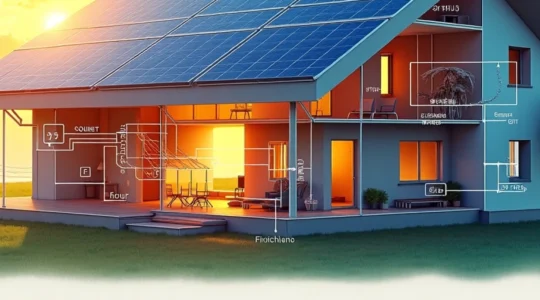
Choosing the right photovoltaic installation for your home
Photovoltaic (PV) installations have revolutionized home energy production, offering homeowners a sustainable and cost-effective power solution. As solar technology continues to advance, selecting the optimal system for your residence has become increasingly complex. Solar panel types and efficiency ratings for…
Read more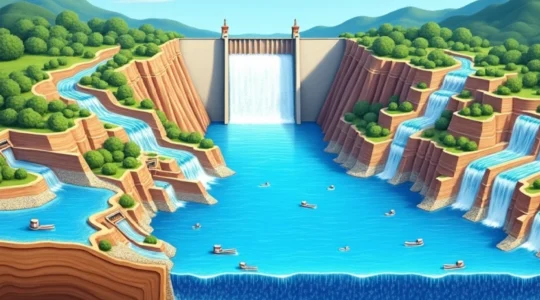
Types of hydroelectric plants: from dams to Run-of-River systems
Hydroelectric power has been a cornerstone of renewable energy production for over a century. As the world shifts towards cleaner energy sources, understanding the diverse types of hydroelectric plants becomes increasingly important. From massive impoundment dams to innovative tidal systems,…
Read more