Energy-saving solutions
Energy bills keep rising, and so does awareness of our environmental impact. Between these two pressures, energy-saving solutions have become one of the most practical ways for households to take control: they cut costs month after month, reduce greenhouse gas emissions, and prepare your home for a cleaner energy future. The good news is that saving energy does not require a complete lifestyle overhaul. It starts with understanding where energy goes, then applying the right mix of small habits, smart upgrades, and, when relevant, renewable technologies.
This pillar page walks you through the fundamentals of energy saving, from identifying the biggest sources of waste to choosing efficiency upgrades, adopting better daily habits, and deciding whether renewable energy systems like solar panels or heat pumps make sense for your situation.
Why Energy Saving Matters More Than Ever
Energy prices have become increasingly volatile in many English-speaking countries, and the energy sector remains one of the largest sources of carbon emissions. Every kilowatt-hour you avoid using is a win on two fronts: your wallet and the climate. It is also worth remembering the golden rule of the energy transition, often summarized as the watt saved is the watt produced: reducing consumption is almost always cheaper and cleaner than generating extra energy, even from renewable sources.
Consider a simple fictional example. Sarah, a homeowner in Texas, noticed her summer electricity bills climbing past $250 per month. Instead of immediately investing in a larger air conditioner, she first sealed air leaks, added attic insulation, and switched to a smart thermostat. Her bills dropped by roughly 30 percent, and she later installed solar panels sized for a much smaller load, saving thousands on the installation itself.
Where Does Your Energy Actually Go?
Before choosing solutions, it helps to know what you are solving for. In a typical home, energy use breaks down roughly as follows:
- Heating and cooling: often the largest single category, sometimes close to half of total consumption depending on climate.
- Water heating: a significant and frequently overlooked expense, especially in homes with older tanks.
- Appliances and electronics: refrigerators, dryers, televisions, and always-on devices.
- Lighting: a smaller share than in the past thanks to LEDs, but still worth optimizing.
An analogy: think of your home as a bucket of water with small holes. Generating more energy is like pouring water in faster; energy saving is like plugging the holes. Plugging the leaks first makes everything else easier and cheaper.
Building Envelope: The Foundation of Energy Efficiency
The most effective savings often come from improvements you cannot see: the walls, roof, windows, and doors that separate your living space from the outside. A well-sealed home keeps warm air in during winter and out during summer, which means your heating and cooling systems work less.
Key Envelope Improvements
- Air sealing: caulk and weatherstrip around windows, doors, and penetrations where pipes or cables enter the home. This is inexpensive and often delivers the fastest payback of any upgrade.
- Insulation: attics are usually the priority, since heat rises. Walls and crawl spaces follow. Modern insulation materials such as cellulose, mineral wool, or spray foam can dramatically reduce heat transfer.
- Windows: if replacement is not in the budget, thermal curtains, window films, and exterior shading can still meaningfully cut heat gain and loss.
A professional home energy audit is a smart first step in many regions. Many utilities and government programs subsidize these audits, which use blower doors and thermal cameras to pinpoint exactly where your home is leaking energy.
Efficient Heating, Cooling, and Water Heating
Once your envelope is improved, it is time to look at the machines that use the most energy. This is where modern technology makes a real difference.
- Heat pumps: these systems move heat rather than generating it, making them three to four times more efficient than traditional electric resistance heating. They now work well even in cold climates and are increasingly eligible for rebates and tax incentives in the United States, Canada, the UK, and Australia.
- Smart thermostats: by learning your schedule and adjusting temperatures automatically, these devices typically trim heating and cooling costs by a noticeable margin with almost no effort.
- Heat pump water heaters: replacing an old electric tank with a heat pump water heater can cut water heating energy by a large fraction. Tankless and solar water heaters are alternatives worth comparing.
- Regular maintenance: clean filters, clear vents, and annual servicing keep systems running at their rated efficiency.
Everyday Habits That Reduce Consumption
Technology helps, but behavior matters too, and it costs nothing. Some of the highest-impact habits include:
- Setting thermostats a degree or two lower in winter and higher in summer, and dressing accordingly.
- Washing clothes in cold water and air-drying when possible, since dryers are among the most power-hungry appliances.
- Running dishwashers and washing machines with full loads, preferably during off-peak hours if your utility offers time-of-use pricing.
- Unplugging or using smart power strips for electronics that draw phantom standby power around the clock.
- Replacing remaining incandescent or halogen bulbs with LEDs, which use up to 90 percent less energy and last far longer.
Individually these actions seem small, but together they can shave 10 to 20 percent off a typical bill without any investment.
Smart Home Technology and Energy Monitoring
You cannot manage what you cannot measure. Whole-home energy monitors and smart plugs reveal exactly which devices consume the most, often uncovering surprising culprits like an old freezer in the garage or a constantly running pool pump. Many utilities also offer apps or online dashboards showing hourly consumption, which makes anomalies easy to spot.
Smart home integration adds another layer of savings: lights that turn off automatically, thermostats that coordinate with occupancy sensors, and appliances scheduled to run when electricity is cheapest. In markets with dynamic pricing, this kind of load shifting is becoming one of the most effective household strategies.
Renewable Energy: Producing Your Own Clean Power
Once consumption is under control, generating your own energy becomes far more attractive, because the system you need is smaller and cheaper. The main residential options include:
- Solar photovoltaic panels: the most common choice in sunny regions, converting sunlight directly into electricity. Paired with net metering or feed-in tariffs, excess production can offset your bill or even earn credits.
- Home battery storage: batteries let you store solar power for evening use or outages, and in some markets allow you to profit from price differences between peak and off-peak hours.
- Solar water heating: a simpler, well-proven technology that can cover a large share of domestic hot water needs in favorable climates.
- Small-scale wind: only viable in consistently windy, rural locations, and generally less common than solar for individual homes.
Before committing, compare quotes from several installers, check available incentives, and make sure your roof or site is suitable. A home that has already been weatherized and upgraded with efficient appliances typically needs a much smaller, less expensive solar array, which is why efficiency and renewables work best as a combined strategy.
Financial Support and Payback: How to Prioritize
Energy-saving investments pay for themselves at different speeds, so it helps to rank them by return:
- Nearly free and immediate: behavioral changes, thermostat settings, LED bulbs, and basic air sealing.
- Short payback: smart thermostats, insulation top-ups, and heat pump water heaters, often within a few years, especially with rebates.
- Long-term investments: heat pump HVAC systems, window replacements, and solar-plus-storage systems, which deliver value over a decade or more while increasing home comfort and resale appeal.
Government incentives vary by country and region. In the United States, federal tax credits and state-level programs support heat pumps, solar, and efficiency upgrades; the UK offers schemes such as grants for insulation and low-carbon heating; Australia and Canada have their own rebate programs. Always check current local programs before starting a project, as eligibility rules and funding levels change.
Common Questions About Energy Saving
Should I install solar panels before or after making efficiency upgrades?
After, whenever possible. Reducing your consumption first means you can install a smaller solar system, which lowers upfront cost and shortens payback.
Are smart thermostats worth it?
For most households with regular schedules, yes. They are inexpensive, easy to install, and typically pay for themselves within one to two heating or cooling seasons.
What is the single biggest source of energy waste in a home?
In many homes, it is a combination of air leakage and inadequate attic insulation, followed closely by old heating systems and inefficient water heaters.
Taking the First Step
Energy saving is not about sacrifice; it is about making your home work smarter. Start with a simple energy audit, plug the obvious leaks, adopt a handful of no-cost habits, and let the savings fund the bigger upgrades over time. Step by step, you will lower your bills, shrink your carbon footprint, and position your home as an active participant in the renewable energy transition, rather than just a consumer of it.
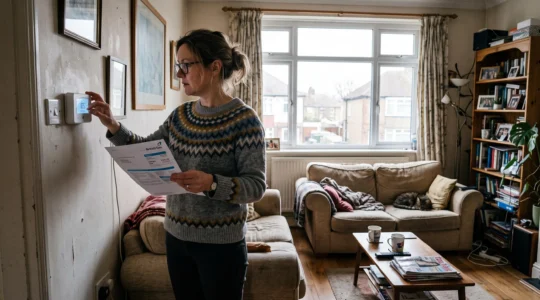
How Can You Reduce Energy Bills by 15% in 30 Days Without Buying New Kit ?
Reducing household energy bills by 15% in 30 days is an ambitious target, but it can provide a useful framework for finding avoidable costs. The most effective starting point is not buying better equipment or making every room colder. It…
Read more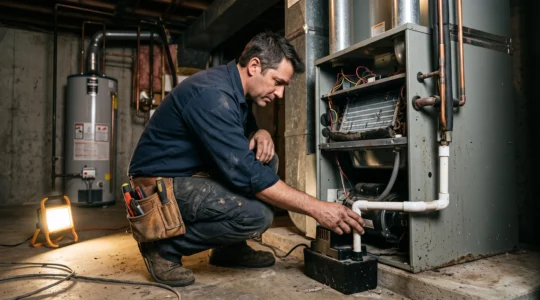
Can a poorly placed condensate pump shorten the life of an AC system?
A condensate pump costs around $100 and sits quietly beside your air handler, moving the water your AC pulls out of indoor air to a drain. Most homeowners never think about it — until a musty smell, a ceiling stain,…
Read moreTypes of thermal insulation: which is best for your home?
Choosing the right thermal insulation for your home is a critical decision that impacts energy efficiency, comfort, and long-term costs. With a myriad of options available, understanding the properties and performance of different insulation types is essential for making an…
Read more
Smart LED lighting solutions for home automation
The landscape of home lighting is undergoing a revolutionary transformation with the advent of smart LED technology. As we step into an era of intelligent homes, the integration of LED lighting systems with Internet of Things (IoT) capabilities is reshaping…
Read more
Top energy management systems for commercial buildings
Energy management systems are revolutionizing the way commercial buildings operate, offering unprecedented control over energy consumption and cost savings. As businesses increasingly prioritize sustainability and operational efficiency, these systems have become indispensable tools for facility managers and building owners. By…
Read more
Reducing energy costs with efficient heating solutions
As energy prices continue to rise and environmental concerns take center stage, homeowners and businesses are increasingly seeking ways to reduce their heating costs while maintaining comfort. Efficient heating solutions offer a powerful means to achieve these goals, combining cutting-edge…
Read moreHow smart meters can improve business electricity management
Smart meters are revolutionizing the way businesses manage their electricity consumption. These advanced devices offer real-time monitoring capabilities, accurate billing, and valuable insights into energy usage patterns. For companies looking to optimize their energy efficiency and reduce costs, smart meters…
Read more