Energy transition
Every time you switch on a light, charge a phone or heat your home, you draw on an energy system that is in the middle of a profound transformation. This transformation is known as the energy transition: the gradual shift from fossil fuels like coal, oil and natural gas toward cleaner, renewable sources of energy such as solar, wind, hydro and geothermal power. It is one of the most significant changes of our time, affecting economies, industries, households and everyday habits across the English-speaking world and beyond.
If the topic feels technical or overwhelming, you are not alone. The good news is that the core ideas are surprisingly accessible, and understanding them helps you make better decisions, whether you are a homeowner considering solar panels, a professional navigating a changing job market, or simply a curious reader. This page explains what the energy transition is, why it matters, which technologies drive it, and how it touches daily life.
What Is the Energy Transition?
The energy transition refers to the structural change in how societies produce, distribute and consume energy. For roughly two centuries, industrial economies have relied heavily on burning fossil fuels. While these fuels powered remarkable growth, they also release carbon dioxide and other greenhouse gases when burned, which is the main driver of climate change. The energy transition aims to replace these sources with low-carbon alternatives while keeping energy reliable, affordable and widely available.
It helps to think of the energy system like the plumbing of a house. For decades, the pipes carried water from a single, polluting well. The transition involves connecting new, cleaner wells, upgrading the pipes, and teaching everyone in the house to use water differently, all without interrupting the supply. No single change accomplishes this; it happens through many coordinated adjustments over time.
The transition is not only about electricity. It also concerns transportation, heating, and industry, sectors where fossil fuels remain deeply embedded. That is why the energy transition is often described as a systemic project rather than a simple technology swap.
Why the Energy Transition Matters
Understanding the motivations behind the transition makes its scale and urgency easier to grasp. Several interconnected reasons drive it:
- Climate change: Reducing greenhouse gas emissions is the most widely cited goal. Energy production accounts for the largest share of global emissions, so changing how we produce energy is essential to limiting global warming.
- Air quality and health: Burning fossil fuels releases pollutants linked to respiratory and cardiovascular disease. Cleaner energy means cleaner air, particularly in cities.
- Energy independence: Countries that import oil and gas are exposed to price shocks and geopolitical tensions. Domestic renewables reduce that vulnerability, a lesson reinforced by recent global energy market disruptions.
- Economic opportunity: Renewable energy, battery manufacturing, grid modernization and building renovation are creating millions of jobs worldwide, from engineering to skilled trades.
- Long-term cost stability: Once a wind farm or solar array is built, its fuel, sunlight and wind, is free. This insulates consumers from the volatile prices of extracted fuels.
The Main Renewable Energy Sources
Renewable energy comes from natural processes that replenish themselves. Each source has distinct strengths and limitations, and a balanced energy mix uses several of them together.
Solar Power
Solar panels convert sunlight directly into electricity. Costs have fallen dramatically over recent decades, making solar one of the cheapest sources of new electricity in many regions. It scales well, from a few panels on a suburban roof to vast utility-scale farms in sunny regions. Its main constraint is obvious: no sunlight means no generation, at night or during cloudy weather.
Wind Power
Wind turbines convert moving air into electricity, both onshore and offshore. Offshore wind, in particular, has grown rapidly in countries with strong coastal winds, delivering large volumes of power. Like solar, wind is variable, producing more on breezy days than calm ones.
Hydropower
Hydroelectric dams have provided clean electricity for over a century and remain the largest renewable source globally in many markets. They offer a valuable bonus: pumped-storage facilities can act like giant batteries, absorbing excess power and releasing it when demand rises.
Geothermal and Biomass
Geothermal energy taps heat from beneath the Earth’s surface, providing steady, always-on power where geology allows. Biomass converts organic material into energy and can substitute for fossil fuels in some industrial processes. Both play useful supporting roles in the broader mix.
Key Challenges of the Transition
Renewables are not a magic switch, and honest discussion of the obstacles builds a clearer picture of how the transition actually works.
- Intermittency: Solar and wind depend on weather. Balancing supply and demand requires storage, flexible demand, and backup capacity.
- Grid modernization: Electricity networks were built around large central power plants. Integrating thousands of distributed solar rooftops and wind farms requires smarter, more flexible grids.
- Storage: Batteries are improving quickly and dropping in price, but storing large amounts of energy for long periods remains technically and economically challenging.
- Critical minerals: Batteries, turbines and panels require materials such as lithium, cobalt and rare earth elements, raising questions about mining impacts and supply chains.
- Just transition: Regions whose economies depend on coal, oil or gas face real social challenges. Supporting workers and communities through the shift is essential to its political durability.
None of these challenges is considered unsolvable by energy experts, but each requires investment, policy support and time.
How the Energy System Is Changing in Practice
The transition is visible in concrete, everyday developments across English-speaking countries:
- Rooftop solar panels have become a common sight in suburbs from California to Queensland, often paired with home batteries.
- Electric vehicles are moving from niche to mainstream, supported by expanding public charging networks and falling battery costs.
- Heat pumps, which move heat rather than generate it, are replacing gas furnaces and oil boilers in homes seeking efficient electric heating.
- Businesses increasingly sign power purchase agreements with renewable producers to cover their electricity needs.
- Utility-scale wind and solar farms, along with battery storage facilities, are being connected to grids at record pace.
Consider a hypothetical family, the Martins, living in a typical suburban home. They install rooftop solar panels and a home battery. On sunny days, their panels cover household demand and charge the battery; in the evening, the battery powers the house instead of the grid. They replace their aging gas furnace with a heat pump and buy an electric car charged overnight. Individually, these are household decisions. Collectively, millions of similar decisions reshape the entire energy system from the bottom up, a phenomenon sometimes called the democratization of energy.
What Individuals Can Do
Large-scale change depends on policy and industry, but individual choices matter, both for their direct impact and for the signal they send to markets. Practical steps include:
- Improve energy efficiency first: Insulation, sealing drafts, LED lighting and efficient appliances reduce consumption before you even change energy sources. Efficiency is the cheapest form of clean energy.
- Switch to renewable electricity: Where markets allow, choose a green electricity tariff, or consider rooftop solar if your home is suitable.
- Electrify what you can: Heat pumps, induction cooking and electric vehicles let you run your life on an increasingly clean grid.
- Use energy at the right time: Running appliances when solar output is high, or when grid demand is low, reduces strain and emissions. Some utilities offer dynamic pricing that rewards this flexibility.
- Stay informed and engage locally: Community solar projects, local planning decisions and workplace sustainability initiatives all benefit from informed participants.
Frequently Asked Questions
Will renewable energy be enough to power everything?
Yes, in principle. Studies consistently show that solar, wind, hydro and other renewables, combined with storage, grid expansion and efficiency gains, can meet global energy demand. The question is not feasibility but the pace and cost of the build-out.
What happens when the sun does not shine and the wind does not blow?
Grid operators manage this with a combination of tools: battery storage, interconnections with neighboring regions, flexible power plants, and demand management. Diversifying the renewable mix across large geographic areas also smooths out variability.
Are electric vehicles really cleaner?
Over their full life cycle, yes, in almost all markets. Manufacturing a battery creates emissions upfront, but an electric vehicle typically repays that carbon debt within a few years of driving, and the advantage grows as electricity grids get cleaner.
Is the energy transition expensive?
It requires major investment, but the cost of inaction, through climate damage, health impacts and fuel price volatility, is far higher. Moreover, the cost of solar and wind has fallen so much that new renewables are often cheaper than new fossil plants.
The Road Ahead
The energy transition is neither a distant ambition nor a finished project. It is an ongoing process, visible in rooftop panels, wind farms, charging stations and smarter grids, and accelerated by falling technology costs and supportive policies. Challenges remain, from grid modernization to ensuring no community is left behind, but the direction of travel is clear.
For readers, the most useful takeaway is that the transition is not something happening to you; it is something you can participate in. Whether through efficiency upgrades, electrified transport, community projects or simply informed conversations, everyone has a role in building an energy system that is cleaner, more resilient and more affordable for the long term.
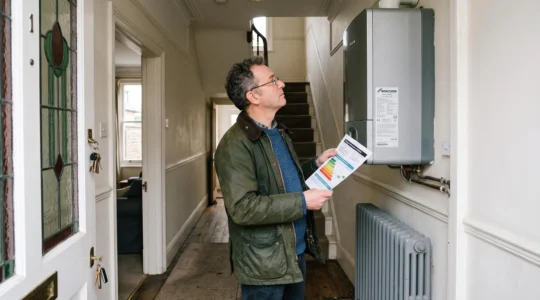
What Do Building Energy Performance Ratings Miss That Can Cost You £500 a Year ?
A property advertised with a respectable energy performance rating can still leave its new owner facing uncomfortable rooms, expensive heating and thousands of pounds in unexpected improvements. The certificate may be perfectly valid. The problem is what buyers expect it…
Read more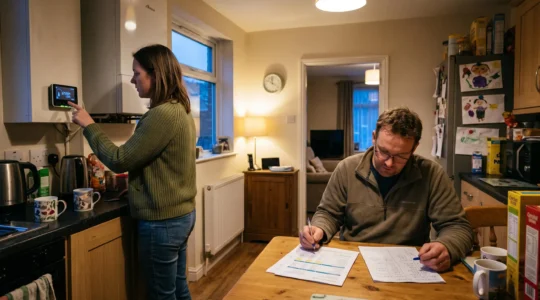
Fixed vs Variable Energy Prices: Which Choice Makes Sense When Your Budget Has £150 Wiggle Room ?
When your household budget has just £150 of breathing room, choosing between fixed and variable energy prices is not simply about finding the cheapest advertised tariff. It is about deciding how much uncertainty your finances can safely absorb. A fixed…
Read more
Small business vs. large business electricity plans: key differences
Electricity is a crucial resource for businesses of all sizes, but the way it’s procured and managed can vary significantly between small and large enterprises. Understanding these differences is essential for business owners and managers seeking to optimize their energy…
Read moreTop energy efficiency subsidies for homes and businesses
Energy efficiency is rapidly becoming a cornerstone of sustainable living and smart business practices. As global concerns about climate change intensify, governments and utility companies are offering an array of incentives to encourage the adoption of energy-efficient technologies. These subsidies…
Read more
Personal steps to take toward a Low-Carbon lifestyle
Climate change is one of the most pressing issues of our time, and reducing our carbon footprint has become increasingly important. A low-carbon lifestyle not only benefits the environment but can also lead to cost savings and improved quality of…
Read more
Exploring financial incentives for sustainable projects
Sustainable projects are gaining momentum as organizations and governments recognize the urgent need to address environmental challenges. Financial incentives play a crucial role in driving adoption and implementation of eco-friendly initiatives. These incentives not only make sustainable projects more economically…
Read moreHow everyday choices impact your carbon footprint
Climate change is a pressing global issue, and understanding how our daily decisions contribute to greenhouse gas emissions is crucial. Your carbon footprint, the total amount of carbon dioxide and other greenhouse gases emitted as a result of your actions,…
Read more