Build a more sustainable energy future!
Energy suppliers
Tailored energy solutions for businesses and households
Energy suppliers holding a green energy supplier certification can provide a range of options, including green electricity, renewable electricity tariffs, natural gas solutions and energy management services. An electricity and gas supplier can also offer personalised guidance on fixed versus variable energy prices to help businesses and households reduce energy bills. Online consumption monitoring tools allow users to track electricity and gas usage, identify unnecessary consumption and adjust energy consumption in real time.
Minimising energy consumption
Energy transition
Key steps towards a successful energy transition
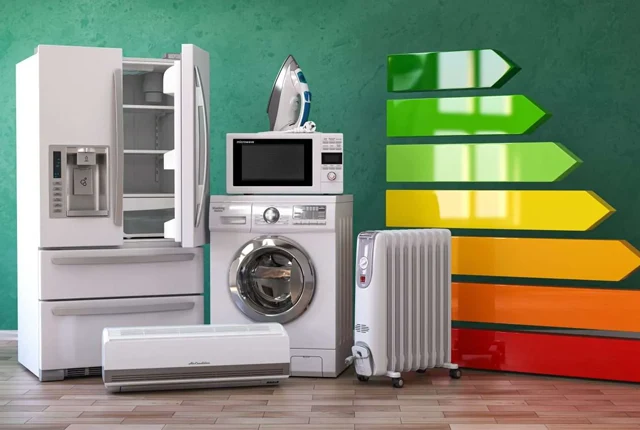
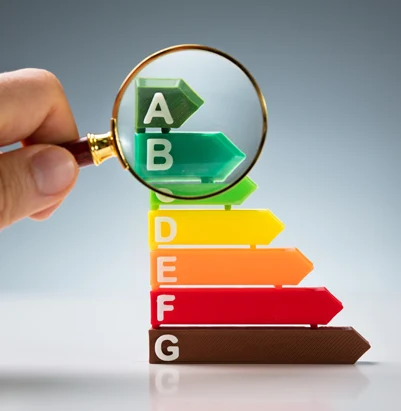
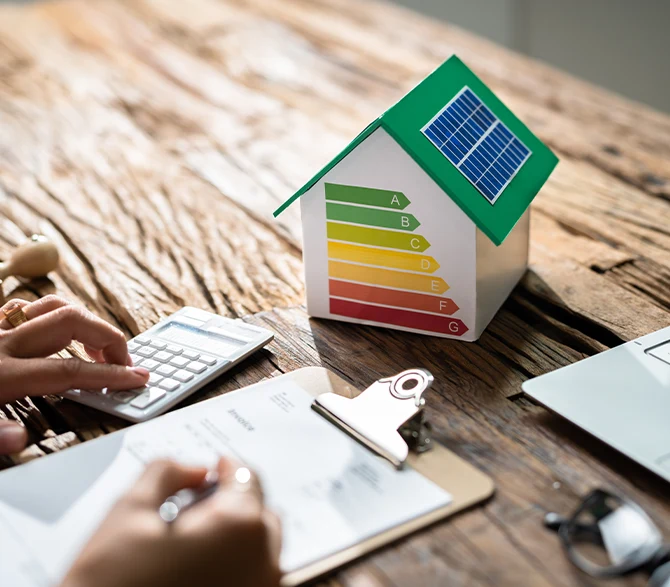
To achieve duurzame energietransitie through an energy transition action plan, begin by assessing current energy consumption with a household carbon footprint assessment and identifying opportunities for improvement. Effective energy efficiency solutions, guided by building energy performance ratings, include thermal insulation, energy-efficient appliances and changes in everyday habits that encourage more responsible energy use.
Energy audits and building performance assessments
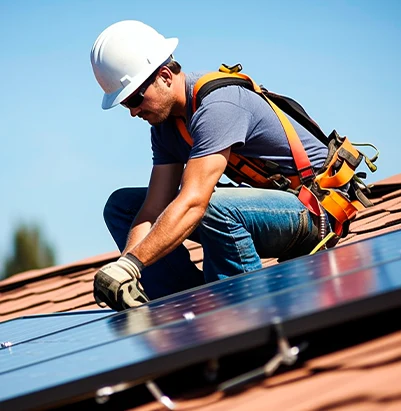
Installation of solar panels
Energy renovation grants
Improve building efficiency and reduce energy costs
Energy renovation grants help homeowners and businesses improve the energy efficiency of their buildings while reducing the financial burden of renovation work. Depending on the applicable scheme and eligibility conditions outlined in renovation grant eligibility criteria, financial support may include direct grants, tax credits or interest-free loans. Eligible improvements can include loft insulation, external wall insulation, replacing windows and reducing energy costs with efficient heating solutions. By reducing upfront costs, such as heat pump installation costs, these forms of assistance can make energy renovation projects more accessible.
Clean, sustainable energy
Renewable energy sources for different needs

Solar energy: generating electricity and heat
Solar energy uses sunlight for photovoltaic electricity generation or solar thermal heating, providing renewable energy for buildings and other applications, notably through solar panel self-consumption and residential battery storage systems.

Wind energy: converting wind into electricity
Wind turbines, whether deployed in onshore wind farm development or anchored by offshore wind turbine foundations, convert moving air into renewable electricity, with output varying according to wind conditions and turbine performance.

Biomass: energy from organic matter
Biomass energy uses organic matter, including certain agricultural and forestry residues, to produce heat or electricity through suitable conversion processes, where biomass boiler efficiency plays a crucial role.

Hydropower: generating renewable electricity from water
Reservoir-based hydropower, along with pumped storage hydropower, can support electricity grid stability by adjusting generation according to demand, using the storage capacity of hydroelectric reservoirs.

Geothermal energy: harnessing heat from the Earth
Geothermal energy can provide a stable source of heat, notably through ground source heat pumps, and, where geological conditions allow, continuous electricity generation with limited dependence on weather conditions.

Marine energy: producing power from ocean resources
Tidal power stations, complementing wave energy converters within marine renewables, use tidal movements to drive turbines and generate renewable electricity from the predictable rise and fall of seawater.
Energy savings
Practical strategies for reducing energy consumption
Reducing energy consumption, supported by home energy monitoring systems, helps lower utility costs and limit the environmental impact of everyday activities. Practical measures include switching off appliances on standby, making better use of natural lighting and adjusting heating temperature to actual comfort needs using smart heating control systems.
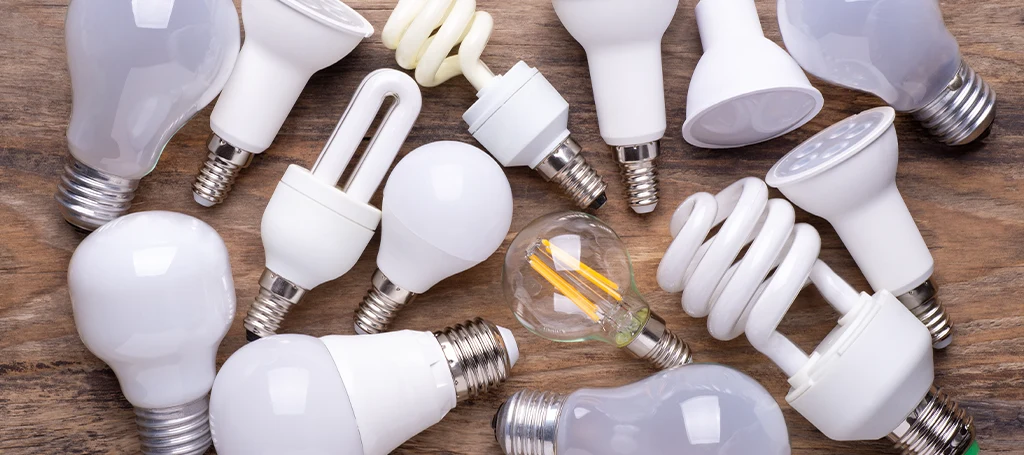
Reduce lighting consumption with LED technology
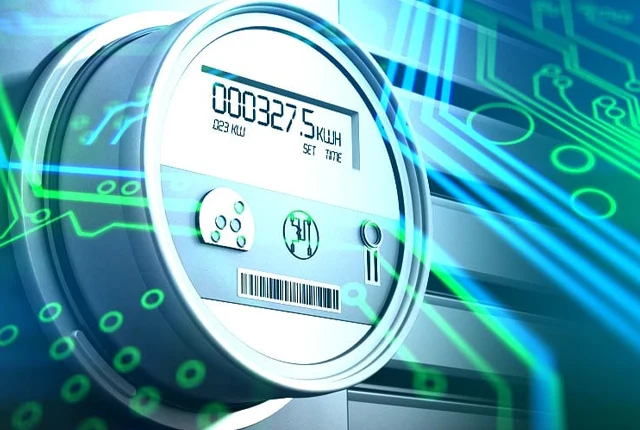
Monitor electricity usage with smart meters